BBC LIFELINE APPEAL
On Sunday, the 29th March, our BBC Lifeline Appeal aired. You can now watch the full appeal below.
We were so happy to be chosen as their charity during another brilliant Ovarian Cancer Awareness Month. They provided us the chance to bring attention to not only ovarian cancer and its symptoms, but the critical need for funding more research.
This campaign was built on the work and generosity of so many people, and for that, we say: thank you.
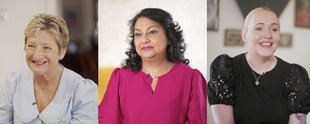
Gilly, Sbba and Siobhan
Thank you to the storytellers who shared tales of their very worst moments in the hope it may stop other people from experiencing them. Thank you to the incredibly committed researchers, who spoke about their work with clarity and conviction. Thank you to Julie and Rosa Hesmondhalgh, whose energy and care brought the campaign to life in a way that we could only have hoped.
But most of all - thank you to you, our supporters new and old, for seeing the value in our work and our continued impact. None of this happens without you, and we never take it for granted.
If you’d like to read more about the people and research featured in the programme, then we’d love to tell you about them.
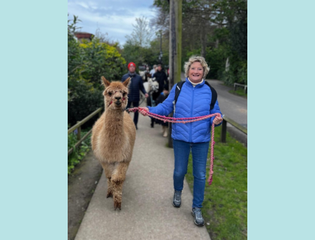
Three wonderful and generous women took the stage in our appeal, and we don’t underestimate how brave they were to do so. We featured Gilly, who spoke about the importance of having specialist care available nationally, and how, without travelling far to find specialist Prof. Christina Fotopoulou, she might not still be here to see her grandchildren. It’s why we’ve created the Surgical Expertise Programme, a way of ending the postcode lottery through training more surgeons around the UK in specialist skills.
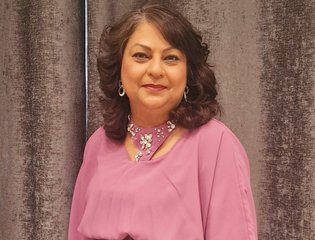
Sbba spoke about her rare but horrible side effects of chemotherapy, making an already incredibly difficult period of her life worse. She also told of her experience of recurrence in 2025, something we know many women watching will have recognised. It’s stories like this that drive our researcher, Prof. Marco Di Antonio, to find a solution. We’re funding Marco to develop a ‘tool’ that uses UV light to examine cells with such detail that it could test the chance of cancer cells’ resistance to treatment.
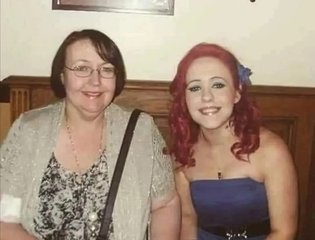
And Siobhan told us about losing her mum, but in the process, finding out she had the BRCA1 gene fault. She decided to get risk-reducing surgery, and credits her mum with saving her life. We know these choices are never easy, and it’s why we developed our Hereditary Cancer Risk Checker – so people can be informed and know their options as soon as possible.
You can watch our full appeal below.
Watch our full BBC Lifeline appeal here
Finally, we’d like to say thank you to the BBC for giving us this platform and allowing us to share our message as widely as possible: that together, with funding and research, we can build a future where no woman dies of ovarian cancer.