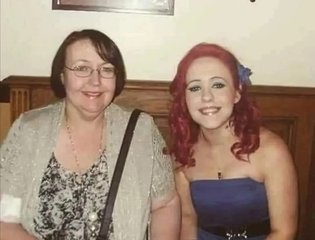
Liz's Story “Despite my ovarian cancer diagnosis, I’ve had a really good twelve years”
Liz (full name Elizabeth) was diagnosed with Grade 3C primary peritoneal cancer ovarian cancer in 2014, aged 70. Now aged 82, Liz has undergone a variety of treatments for her ovarian cancer, including chemotherapy, surgery and PARP inhibitors. Liz aims to spread hope and to show that there is a future post diagnosis, and that age should not be a barrier to treatment/diagnosis. This is her story.
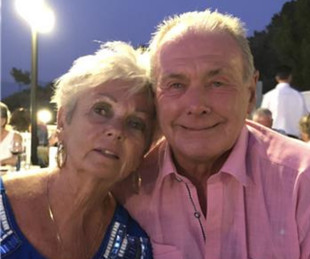
Liz and her husband
“I can remember my ovarian cancer diagnosis quite well as it was in 2014 and my mum had just died.
I had begun to feel really unwell and then randomly developed shingles. I decided to pay my doctor a visit, as I had been feeling unwell anyway and then developed this sudden, unusual looking rash.
The doctor I saw was not my usual GP, and I explained my symptoms to him. As an off comment, I also mentioned that my stomach was bloated. He took some blood tests, and the next week my regular GP phoned me up and said he would like to see me.
I had never heard of the CA125 blood test before that conversation, and yet mine came back with a result of 1300 (A normal level of CA125 is usually less than 35 units per millilitre (u/ml)).
Besides the bloated tummy, shingles, and just generally feeling not right, I didn’t have any other symptoms. If it wasn’t for the rash, I don’t think I would have gone to the doctors at all. I had just put it all down to being upset about my mum passing. I'm so grateful for the young doctor for being so on the ball with the blood tests.
I thought I was feeling low because I had lost my mum, and that my general poor health was all down to that; I never considered it could be ovarian cancer. As you can imagine, this was incredibly shocking.
About 10 years before my ovarian cancer diagnosis, I had breast cancer.
When I was first diagnosed, I was diagnosed with grade 3C primary peritoneal cancer. I had five litres of fluid drained from me. I could not believe, really, that I had cancer again.
In my 40’s, I had had a hysterectomy, and I wish they’d taken everything away. I truly hadn’t even considered the fact that it could be ovarian cancer, even with that bloating.
The first consultant I saw said to me that if it had been left for another six weeks, then there wouldn’t have been much point in me having treatment. I’m a big believer in things happening for a reason, so I think the shingles were meant to be!
Things moved pretty quickly after that; I had an operation and chemotherapy afterwards. Four years later, when I had a recurrence, I had chemotherapy then, too. After my recurrence, I went onto a new drug called rucaparib, a PARP inhibitor."
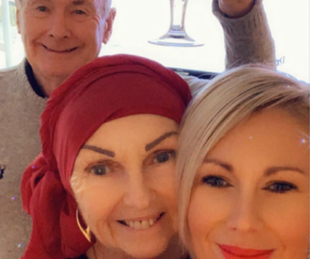
Liz and family
“My family always say how strong I am. I have two daughters and we were all tested for BRCA gene faults, which luckily none of us have. It was sadly just a coincidence that I developed both breast and ovarian cancer.
They both had mammograms when I was diagnosed with breast cancer, and I'm glad that my diagnoses can make my daughters more aware of any changes within their bodies.
One of my daughters (who lives in the UK) will tell me off if I don’t tell her how things are going, and my other daughter (who lives in Australia) will always say ‘mum you’re a tough old bird'.
I have great, supportive friends who I have regular lunches with, we don’t discuss my illness, they just ask how I am and how things are going. My husband is such great support; he’s really really been there for me to lean on. Even if I just need to go for a blood test, he will offer to drive. I can drive but my eyesight is deteriorating, so I've lost confidence in my driving abilities. My husband and family have been such inspiration and comfort during this journey.
There is help for all of us, during this difficult period of time and the Macmillan community has been very supportive and helpful, I would not hesitate to contact them if you need reassurance and advice.
A year ago, I was in clinic, and I was talking to this woman who was sat next to my husband and I. I saw my surgeon walk past and pointed her out to my husband. as he had never met my surgeon before. The lady said to me, ‘oh, was she your surgeon’, and I told her how she had operated on me 10 or so years ago. The lady said how nice it was to know that I was still around, and that my surgeon had also operated on her just 18 months prior.”
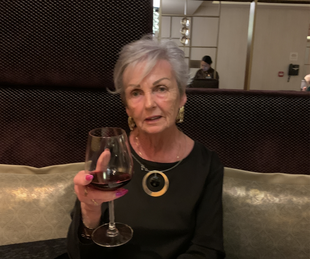
liz at a resteraunt
" I wanted to share my story to really let other people know that if they are diagnosed with ovarian cancer, they can survive. During my time dealing with ovarian cancer I have had a perforated bowel, embolisms in my lung and recently I've recovered from kidney stones. But with the help of my amazing gynaecology team at Worcester Royal Hospital, I have been able to find the strength to keep positive.
I credit my last 12 years to being as active as possible; this has been so helpful to me. As I’m walking, I let my emotions take control, maybe crying, shouting, or swearing under my breath, but then I can come back to normality and continue to be positive.
I’ve had a really good twelve years, and we’ve managed to do good things! I can go on holiday; I love a good holiday, even though I can't go in the sun (a side effect of rucaparib is it brings me up in blisters) but I can cope with the side effects.
I've always been very positive, even though the last few months have been draining. I would like other people to know that... you can sort of be positive about what you have wrong with you. I just want other ladies to have a bit of hope. I hope sharing my story will help someone to feel a bit more positive, listen to your body and seek help quickly.”
Like many people, Liz didn’t realise her symptoms were caused by ovarian cancer because she thought they were caused by her grief.
If you notice any possible symptoms of ovarian cancer, even if they seem small, it is important to see a medical professional.
You can also use our symptoms checker and share the results with your GP (however, this does not replace professional medical advice).
To find out more about ovarian cancer, visit: