Gemma: “Ovarian cancer can affect anyone and it doesn’t always look the same”
Gemma was just 26 when she was diagnosed with ovarian cancer. Apart from unexplained weight gain, she had very few symptoms and, throughout the process of scans and investigations, it still wasn’t clear what doctors were looking for.
14 years on, Gemma is sharing her experience to encourage others to trust changes in their bodies, seek information, and feel empowered to ask questions throughout their care.
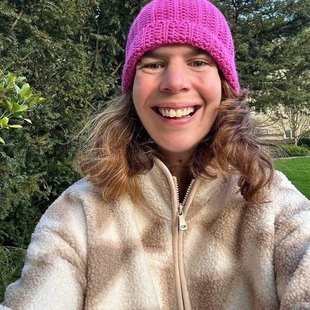
Gemma taking a selfie
“I often say that I was lucky because I only had Stage 1 ovarian cancer. But the truth is, I didn’t even know I had cancer at the time, and it was quite a shock when I eventually found out.
The only reason I went to the doctors in the first place was because I had put on weight, which really wasn’t normal for me. I’d always been around a size 10 or 12 and had suddenly gone up to a size 16.
Although I didn’t think too much of it at the time, looking back, there were other signs as well. I had blood in my urine when I went for tests. I now know there can be lots of different symptoms, such as abdominal or pelvic pain, urinary changes or unusual bleeding. Everyone’s experience is different, and not everyone has the same signs.
I was diagnosed in 2012 when I was just 26. That’s why I always say now that ovarian cancer isn’t something that only affects older women. It really can happen at any age, even when you’re young and otherwise healthy and not expecting anything to be wrong.
At the time, I was meant to have keyhole surgery. But once they started the operation, they realised the tumour was much bigger than they had thought. They had to open my stomach instead. The whole operation ended up taking six hours, which was a long time for my family to be waiting, especially my mum, who was understandably very worried. When they removed it, they said the tumour was the size of a newborn baby. That is still quite hard to take in even now. I’ve been left with a scar across my stomach from where they had to operate.
After the surgery, I was supposed to be in the hospital for about a week. I ended up staying longer because they had given me a lot of morphine during the operation, and I was having some memory problems afterwards. They wanted to keep an eye on me. I was also dealing with quite a lot of pain. More than anything, I just wanted to get home to my family. It was the longest I had ever been in hospital, and I found that really difficult."
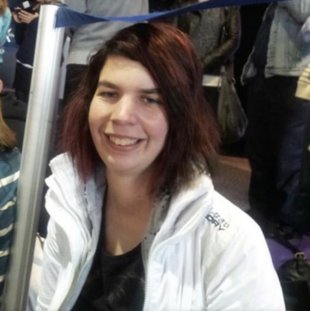
Gemma at aged 26
"What I found hardest to process was that I didn’t actually know I had cancer straight away. It was only later, when I went back for a follow-up appointment, that I was told the tumour had been ovarian cancer. That came as a real shock, because I was young and hadn’t been expecting anything like that, even though I had just been through a major operation.
I didn’t need chemotherapy afterwards, which I know is something I was very fortunate with. I did have regular check-ups every three months to begin with, and then every six months for around five years. I also had blood tests to make sure everything was healing properly and that there were no signs of the cancer returning. Even with that reassurance, it was still worrying each time, because you never quite know what you might be told.
Recovery took longer than I expected, mainly because it had been such a big operation. I wasn’t allowed to lift anything or do very much for a while, so I had to rest and take things slowly. It was probably around two or three months before I started to feel more like myself again. Even after that, I would still have days when I felt very tired. When I returned to work, I had to do it gradually, starting with shorter hours and building back up.
There were times during that period where I did feel quite low. I just wanted to get back to normal life and be able to do the everyday things you don’t really think about until they’re taken away from you. Things like going out, seeing people, and having your usual routine again.
I was very lucky in terms of the support I had around me. My mum, dad and brother were always there, visiting me in hospital every day and then looking after me when I got home, especially as I couldn’t really do much for myself at first. My best friend came with me to my first hospital appointment and supported me throughout, which made a big difference. It can be quite overwhelming trying to take everything in on your own.
When I started to feel a bit better, my family would take me out for short car rides just to get me out of the house. I would go to my best friend’s house for a change of scenery. It helped me feel a bit more like me again and gave me some sense of normality during recovery.
Looking back now, I do wish I had asked more questions at the time. Things weren’t always explained very clearly to me, and I didn’t fully understand that I had actually had cancer until after the operation and those follow-up appointments. When you’re in that situation, it’s important to feel able to ask whatever you need to.
I also had to go through my family history because there is cancer in the family. I was tested and found not to have a faulty gene, which I am very grateful for. At the same time, I am aware that there is still a possibility of cancer returning in the future. That is something that stays in the back of your mind, even years later.
A few years ago, there was a point where doctors thought it might have come back and sent me for further blood tests. That was quite a worrying time, but thankfully everything came back clear."
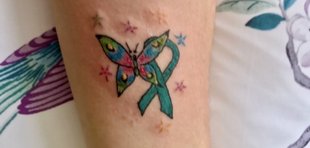
Jemma's tattoo with the ovarian cancer symbol
"I’m nearly 40 now, and I’m healthy. That is something I don’t take for granted, especially knowing that not everyone has the same outcome. That’s really why I want to share my story. If it encourages even one person to get something checked sooner, then it’s worth it.
My advice would always be that if you notice any changes in your body, or if something doesn’t feel right, you should go and get it checked out. You’re not being silly, and you’re not wasting anyone’s time. It’s always better to be safe.
If you do find yourself going through something similar, having people around you really helps. Whether that’s family or friends, it makes a difference. If you can, take someone with you to appointments, because it can be a lot to take in on your own.
Life now is quite simple in a good way. I live with my best friend and we have a dog. I enjoy going out for meals, going to the cinema, walking, playing games and reading.
I know I was lucky, but ovarian cancer can affect anyone, and it doesn’t always look the same. That’s why awareness is so important, and why I feel it matters to share what happened to me.”
At Ovarian Cancer Action, we hear from many people who were left feeling uncertain, confused, or unaware of what ovarian cancer symptoms can look like. Gemma’s story highlights why awareness matters.
Ovarian cancer symptoms awareness helps people feel more informed, more confident, and better equipped to advocate for themselves if something doesn’t feel right.
If you’re experiencing symptoms that are unusual for you, persistent, or difficult to explain, you don’t have to wait until things feel severe to speak to your doctor.