Chemotherapy For Ovarian Cancer Explained
In this page, we cover everything you need to know about chemotherapy for ovarian cancer, from what chemotherapy actually is to possible side effects and finding support groups.
What is chemotherapy, and how does it work?
Chemotherapy uses cytotoxic drugs to destroy cancer cells and is one of the main treatments for ovarian cancer, often used alongside surgery.
Most women with ovarian cancer will have chemotherapy at some stage of their treatment, although this depends on the individual and the stage of the cancer. If your cancer is found at a very early stage, you may not need chemotherapy at all.
Your consultant and specialist nurse will discuss whether chemotherapy is suitable for you, and how it fits into your treatment plan.
Chemotherapy for ovarian cancer explained
How is chemotherapy given?
Most chemotherapy treatments for ovarian cancer are delivered into the bloodstream using one of several methods:
- Via a cannula – a slender tube placed into a vein in the arm or hand.
- Through a central line – a fine tube inserted beneath the skin of the chest, reaching a vein that leads directly to the heart.
- Using a PICC line – a long, thin tube inserted into the arm and threaded through to a large vein in the chest.
Treatment is typically administered in cycles, with each cycle followed by a rest period to allow healthy cells to recover. Patients usually undergo six initial cycles, spaced three to four weeks apart.
Why is chemotherapy used for ovarian cancer?
Chemotherapy can be used at various stages of ovarian cancer treatment depending on your specific needs.
It may be given after surgery to help reduce the likelihood of the cancer returning—this is known as adjuvant therapy. In some cases, it is administered before surgery to shrink the tumour and improve the chances of a successful operation; this is referred to as neo-adjuvant therapy.
Chemotherapy may also be used to treat any cancer that could not be fully removed during surgery. For some patients, it serves as the main form of treatment, particularly when surgery is not considered the most suitable option or if a major operation would pose too great a risk due to overall health.
What you should know before starting chemotherapy for ovarian cancer
Preparing for your first session of chemotherapy
Before beginning chemotherapy, you'll have a health assessment to ensure you're fit for treatment. A nurse will take a blood sample and ask questions about your general well-being. The blood is then sent for testing, and there may be a short wait while your chemotherapy drugs are ordered and prepared.
Once you're cleared to proceed, you'll be taken to the chemotherapy unit. The nurse will first administer anti-sickness medication through your line, along with any other prescribed medicines. The chemotherapy is delivered via a drip connected to your line, and a pump controls the timing, allowing the drugs to be administered gradually over several hours.
Diet and nutrition during chemotherapy
During chemotherapy, your appetite may change a lot because of the treatment’s side effects. It’s important to make sure you’re still getting enough calories and nutrients. Try to keep your fridge stocked with healthy, easy-to-grab foods to make eating a bit easier.
Possible side effects of chemotherapy
Everyone has different reactions to chemotherapy, particularly as some drugs carry specific side effects.
Common side effects of ovarian cancer chemotherapy drugs can include:
- Bruising and bleeding
- Anaemia
- Nausea
- Vomiting
- Extreme tiredness
- Hair loss
- Diarrhoea
- Constipation
- Sore mouth
- Numb or tingling hands and feet (symptoms of neuropathy)
- Muscle and joint pain
- Low blood pressure
- Dry or itchy skin
- Brittle nails
- Headaches
- Impaired kidney function
- Increased risk of infection due to an impaired immune system. Neutropenia happens when you have a low white blood cell count
Managing hair loss with chemo for ovarian cancer
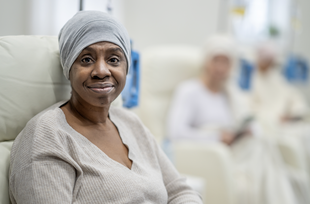
One of the side effects of chemotherapy is hair loss. Losing your hair can feel overwhelming. There are ways to prevent hair loss during cancer treatment such as cold cap treatment but this is not always available to everyone.
Helpful tips for hair loss or thinning:
- Use gentle hair products, such as baby shampoo or pH-neutral shampoo.
- Avoid perming or colouring thinning hair as dyes may not take properly, and perms can cause further damage.
- Use a soft baby brush and comb your hair carefully to prevent breakage.
- Try not to use excess heat such as hairdryers, straighteners, curling tongs or rollers on thinning hair, and pat your hair dry gently after washing.
- When out in the sun, protect your scalp by covering your head with a hat or scarf.
If you are unsure about how chemotherapy may affect you and your day to day life, please speak with your medical team.
How long will I be on chemotherapy for ovarian cancer?
Chemotherapy is typically given in cycles of treatment followed by periods of rest that allow the normal cells in your body to recover from the effects of the drugs. Typically, you will have six initial rounds of chemotherapy, occurring in three- to four-weekly cycles. However, this is dependent on a case-by-case basis.
Can I work or travel whilst on chemotherapy?
Whilst you can work/travel and undergo chemotherapy at the same time, it's not recommended to over-exert yourself as your recovery is key.
Most chemotherapy treatments involve a day visit to your hospital’s specialist unit, although sometimes you may need to stay as an inpatient.
Before starting treatment, your team will check that you’re well enough to go ahead. A nurse will take a blood sample and ask a few questions about your general health and well-being.
It's important to speak to your doctor first before travelling to fully understand the risks that may come with it.
Finding support groups
Looking for extra support? Click here to see our list of ovarian cancer support groups.