Uncovering the truth about turmeric and ovarian cancer
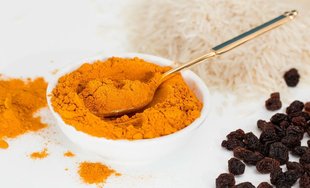
What is the connection between turmeric and ovarian cancer?
Our Health Projects Manager investigates the truth behind recent claims that turmeric can prevent, treat or cure ovarian cancer ...
What is turmeric?
Turmeric is a spice that is commonly used as in Asian dishes. It is related to ginger and is one of the main ingredients in curry powder.
Over the past decade, there have been numerous claims that turmeric can prevent, treat or cure ovarian cancer. Here, we take a look at the most recent evidence.
This page covers:
- What is tumeric
- Reports on turmeric research
- The science behind turmeric
- Should you avoid turmeric?
- Summary of all points
What is being reported?
There have been many articles, stories and reports on social media suggesting that turmeric has been proven to prevent, treat and even cure ovarian cancer.
Why is this being reported?
Across the world, studies and trials are ongoing to identify the latest and most effective ways to prevent and treat cancer.
Some trials over several years have shown that curcumin, the main active ingredient of turmeric, can be effective in shrinking and hindering the growth of tumours. They have also shown it may help stop pre-cancerous changes from becoming cancer.
Research in 20231 suggested that curcumin can enhance the effectiveness of chemotherapy on ovarian cancer cells.
Further studies in 20252 showed that curcumin can reduce the growth of ovarian cancer cells.
This is great news, isn’t it?
Not quite. Most of the hopeful evidence comes from experiments on cells in laboratories, not in actual human patient cases. This is important because we know there is a big leap from how things work in a Petri dish compared to in human cells or the human body.
Trials on humans have so far produced inconclusive results. They’re a promising start, and help to guide what research might need to happen next. Exactly how much curcumin needs to be absorbed for it to have an anti-cancer effect isn’t known yet, but it’s thought to be more than the body can manage from either food or capsule sources. Put simply, we need more research using large groups of people.
So, although the initial evidence looks promising, there’s still a long way to go before turmeric can be considered a viable cancer treatment. There have been many studies carried out and more happening still, but right now, there is not enough evidence to prove that it can be used to successfully prevent or treat the disease.
So, should I avoid using turmeric?
No. Turmeric itself is perfectly safe to consume in your diet – and very tasty! It’s very commonly used to add colour and flavour to things such as curries, mustard and cheese, all with no known side effects. The doses of curcumin looked at in studies so far have been thousands of times greater than the amounts you’d eat in your food.
The long-term effects of consuming large amounts of turmeric aren’t well known, but there are reports of things such as stomach pain and skin problems reported in people who have consumed too much over long periods of time.
Turmeric supplements
Over recent years there’s been a rise in online sales in the UK of turmeric-based food supplement Fortodol (also sold as Miradin). Fortodol has been found to contain the strong anti-inflammatory drug nimesulide, which can cause serious damage to the liver and is not licensed as a medicine in the UK.
The Food Standards Agency and the Medicines and Healthcare products Regulatory Agency (MHRA) advise that you do not use turmeric supplement products. They ask anyone taking them to stop doing so immediately and contact their doctor if they have any signs of liver disease. The signs include jaundice, dark urine, nausea, vomiting, tiredness, abdominal pain, or loss of appetite.
In summary ...
Turmeric is safe in food, but we aren’t yet able to use it as a cancer prevention or treatment. Research is ongoing into how it can be used in this way in humans.
Remember to always be completely honest with your medical team about any supplements you do take, as some may interact with other medications you are taking, including chemotherapy.
There are things that we know can help reduce cancer risk. These include:
- Eating plenty of fruits and vegetables
- Being physically active
- Maintaining a healthy weight
- Limiting alcohol intake
- Not smoking
- Avoiding processed meat
Ovarian Cancer Action will always ensure we keep up to date and comment on any significant developments in the areas of ovarian cancer prevention and treatment. Cancer Research UK are also a reliable resource. Their comprehensive page on complementary and alternative therapies can help you understand how to find reliable information.
Last reviewed: January 2026